In Mexico, salsa is not a condiment. It's the language a kitchen uses to talk to a plate. Verde, roja, molcajete, pico de gallo — five names, five different conversations, and the same word in English for all of them. The translation loses everything.
Here is what those five salsas actually are, how a Mexican kitchen makes them, and where each one shows up at Frida Camden.
Why a single English word is not enough
The Spanish word salsa means "sauce" and almost nothing else; in Mexico it carries the weight of two thousand years of cooking technique. The root sits in Nahuatl, the language of the Aztecs — molli, meaning a sauce ground in stone, gave the modern words molcajete (the stone), molli (the sauce, today written mole), and ultimately the kitchen idea that a meal is finished, not started, by what you put on top of it.
That's the cultural framing. A Mexican kitchen with no salsas on the table is a kitchen that hasn't finished cooking. The difference between a good taquería and a great one is rarely the meat — it's the three or four salsas the kitchen sends out beside it.
Here are the five you'll find most often, including the two we make in-house at Frida.
1. Salsa Roja — the red workhorse
Salsa roja is the most familiar to a UK palate: roasted ripe tomatoes blended with onion, garlic and dried red chillies (most often guajillo or árbol), then simmered down with salt and a touch of vinegar. The texture is smoother than pico de gallo; the heat depends entirely on which chilli the cook chooses and how many seeds they leave in.
The defining technique is the asado — char the tomatoes, garlic and chillies on a dry comal until they blister. That char is where the flavour lives. A roja made from raw tomatoes is a different sauce; it tastes thin, the way ketchup tastes thin if you've ever tried to use it as a salsa substitute.
At Frida, the basic Salsa on our extras menu (£1.95) is a kitchen-made roja: tomato, onion, coriander, lime and jalapeño, balanced for a UK heat level but built on the same charred-tomato base. It's the sauce that arrives with the tortilla chips on most tables.
2. Salsa Verde — the bright cousin
Salsa verde is built on tomatillos — not unripe tomatoes, despite the husk that makes them look that way. Tomatillos are a different plant entirely (Physalis philadelphica), and their flavour is tarter, brighter, more vegetal than a tomato. The classic verde is tomatillos, jalapeños, onion, garlic, coriander and lime, blended raw or lightly boiled.
The texture sits between roja and pico de gallo: smoother than the chopped version, looser than the simmered red. The colour reads green-yellow rather than the saturated green of, say, a parsley sauce.
Verde belongs with rich, fatty meats — pork carnitas, chicken in mole, slow-braised beef. The tartness cuts the fat in a way that roja can't. A taquería in Mexico City will almost always send out both: roja for beef and chorizo, verde for pork and chicken. The customer mixes their own depending on the bite.
3. Pico de Gallo — the raw one
Pico de gallo (literally rooster's beak, after the way the diced ingredients look pecked-out) is the simplest salsa to make and the hardest to make well. Raw tomato, raw white onion, raw jalapeño, fresh coriander, lime and salt — diced fine, mixed, and served within an hour or two before the tomato weeps and the onion turns sharp.
It's also called salsa fresca or salsa Mexicana — the second name because the red-white-green of tomato-onion-coriander mirrors the Mexican flag. The proportions matter. Too much onion and it bites; too little lime and it goes flat; coriander overpowers if you don't chop it last.
At Frida, pico de gallo is the garnish on almost every plate that needs brightness. It goes on top of our Taco Grande, inside the Quesadilla Grande, on the side of the Famous Mexican Fajitas, and it's a non-negotiable on the vegan plates. It's the one salsa we make fresh every service — there's no shortcut, and there's no make-ahead either. Pico de gallo from yesterday is a different sauce, and it isn't a better one.
4. Salsa de Molcajete — the one we still grind by hand
This is the salsa that takes the cuisine seriously. A molcajete is a mortar and pestle carved from porous volcanic basalt, a tool that has been used in Mesoamerican kitchens for at least three thousand five hundred years. Archaeological evidence puts the design in pre-Hispanic homes from the Early Formative period — around 1500 BCE — and the same shape is still in use in Mexican kitchens today.
The technique is straightforward but slow. The cook chars tomatoes, garlic and dried chillies on a comal until the skins blister; then everything goes into the molcajete and is ground, not blended — pressed and crushed against the rough volcanic stone with the tejolote (the pestle). Salt and a splash of lime finish it.
The difference between a salsa de molcajete and a salsa from a blender is real, not romantic. A blender slices ingredients with sharp metal blades; the molcajete crushes plant cells against rough stone, which releases the essential oils and volatile compounds — the chilli capsaicin, the garlic sulphides, the tomato glutamates — in a way blades cannot. You can taste the difference in the first bite. The salsa has texture rather than smoothness, depth rather than just heat, and a slow warmth that builds rather than spiking.
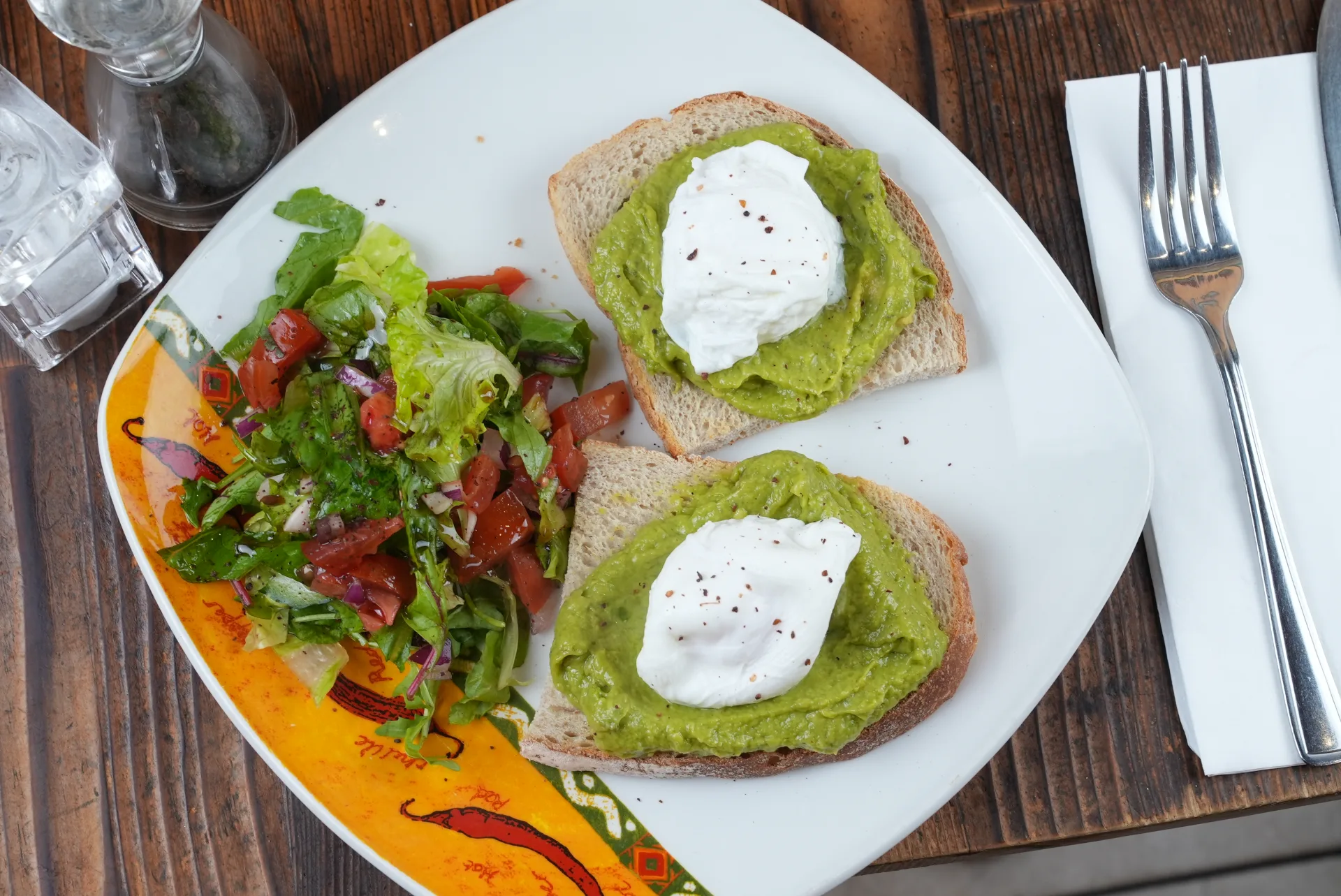
At Frida, the molcajete is how we make the salsa inside our Guacamole (£3.95 side, or £8.95 as part of the Salsa & Guacamole Dips). The kitchen chars the tomatoes and chillies on the plancha, grinds them with garlic and salt in the stone, then folds the result into the avocado at service. It's why the guacamole at Frida tastes different from the version that comes out of a food processor at most chain restaurants.
5. Salsa Macha — the smoky outlier
Salsa macha sits outside the four-classic frame; it's a regional salsa from Veracruz and the Sierra Norte de Puebla, traced back to the Totonac people who originally combined dried chillies, sesame seeds and salt. The modern version adds oil — usually rapeseed or olive — and toasted nuts (peanuts, almonds, sometimes pumpkin seeds), giving it the texture of a Mexican chilli crisp.
It isn't a chip-dipping salsa. Macha is a finishing oil: spooned over fried eggs, drizzled across tacos al pastor, stirred through rice, brushed onto grilled vegetables. The flavour is smoky, nutty, slow-building rather than sharp. It stores in a jar for weeks.
We don't sell salsa macha at Frida as a standalone item, but the kitchen uses a Veracruz-style version on a few seasonal specials. If you've eaten our Tacos al Pastor on a Saturday evening, the dark oil under the pineapple is closer to a salsa macha than to any of the four classics above.
Which salsa for which dish — a working matrix
The simple rule, used by most Mexican cooks without thinking about it:
- Roja — for beef, chorizo, anything fatty and red-meat-rich. Cuts the richness without overwhelming it.
- Verde — for pork, chicken, mole-based dishes. The tartness brightens slow-cooked proteins.
- Pico de Gallo — for raw or grilled garnish. Tacos, fajitas, anything that needs a fresh top note.
- Salsa de Molcajete — for dipping plates, guacamole bases, anywhere you want depth more than acid.
- Salsa Macha — as a finishing condiment. Drizzle, don't dip.
The mistake we see most often from UK diners is reaching for whichever salsa is on the table without thinking about the dish. A great kitchen sends out three or four salsas because they're not interchangeable. They're tools for different plates.
"A Mexican kitchen with no salsas on the table is a kitchen that hasn't finished cooking."
How we use these at Frida
If you're sitting down at Frida Camden this week, here's where each salsa shows up:
- Basic salsa (£1.95) with the tortilla chips — kitchen-made roja, balanced for a UK table but built on charred tomatoes.
- Pico de gallo — on the Famous Mexican Fajitas, inside the Quesadilla Grande, on top of the Taco Grande, beside the vegan plates.
- Salsa de molcajete — folded into the Guacamole (£3.95 side, £8.95 as part of the Salsa & Guacamole Dips plate). The stone-ground texture is what makes our guacamole taste different from the mashed-avocado version.
- House salsas on the Mains plates — the kitchen builds each plate with the salsa it needs (roja for the Burritos rice base, verde for the Enchiladas, macha-style oil on the seasonal Tacos al Pastor).
If you want to taste the difference in one sitting, order the Salsa & Guacamole Dips (£3.95) with a basket of tortilla chips. You'll get the basic roja and the molcajete-folded guacamole on the same plate, and you'll see in the first bite why the second version doesn't taste like dip — it tastes like a sauce that's been finished properly.
Frequently asked questions
What's the difference between salsa and pico de gallo?
Pico de gallo is a type of salsa — specifically a raw, chopped one. In English, "salsa" usually means the blended, cooked, dippable version (closer to a Mexican salsa roja). Pico de gallo keeps the ingredients diced, raw, and fresh: tomato, onion, jalapeño, coriander, lime, salt. Same family, very different textures and uses.
Is salsa verde made from unripe tomatoes?
No. Salsa verde is made from tomatillos, which look like small green tomatoes inside papery husks but are a completely different plant (Physalis philadelphica). Tomatillos have a tart, citrusy, vegetal flavour, not the muted under-ripe taste of a green tomato. Authentic salsa verde without tomatillos isn't really salsa verde.
What does a molcajete actually do that a blender doesn't?
A blender slices ingredients with metal blades and aerates the result. A molcajete crushes plant cells against rough volcanic stone, which releases essential oils, capsaicin and glutamates in a way that blades can't replicate. The salsa has more texture, more depth and a slower-building heat. The molcajete also seasons over time — the stone itself absorbs flavour and gives it back to the next sauce.
Which salsa should I order at Frida if I don't eat spicy food?
Pico de gallo — it has fresh jalapeño but the heat is mild and easy to control by leaving the bigger pieces. The basic Salsa (£1.95) is also balanced for a UK table; we make it warmer than mild but well below the heat level of a Mexico City taquería. Tell the kitchen if you want it dialled back; we'll happily send a version with the seeds and veins removed.
Can I buy your salsa to take home?
Not as a packaged retail product, no. The salsas we serve are made fresh each service — pico de gallo within the hour, roja each morning, molcajete to order on the dips plate. A bottled version would lose what makes them ours. If you want the experience at home, the recipes are widely available; the molcajete is the only thing you can't shortcut, and a good basalt one runs £40–£80 from a Mexican import supplier.
Save your table
Frida Camden, 40 Camden High Street, London NW1 0JH. Between Mornington Crescent and Camden Town tube. Open Sun–Thu 10:30–22:00 (last food orders 21:30), Fri–Sat 10:00–23:00 (last food orders 22:30). Try the Salsa & Guacamole Dips as a starter and taste the molcajete-folded guacamole beside the basic roja — the difference between the two is the whole point of this article. Book a table online or call us on +44 207 383 3733. ¡Buen provecho!